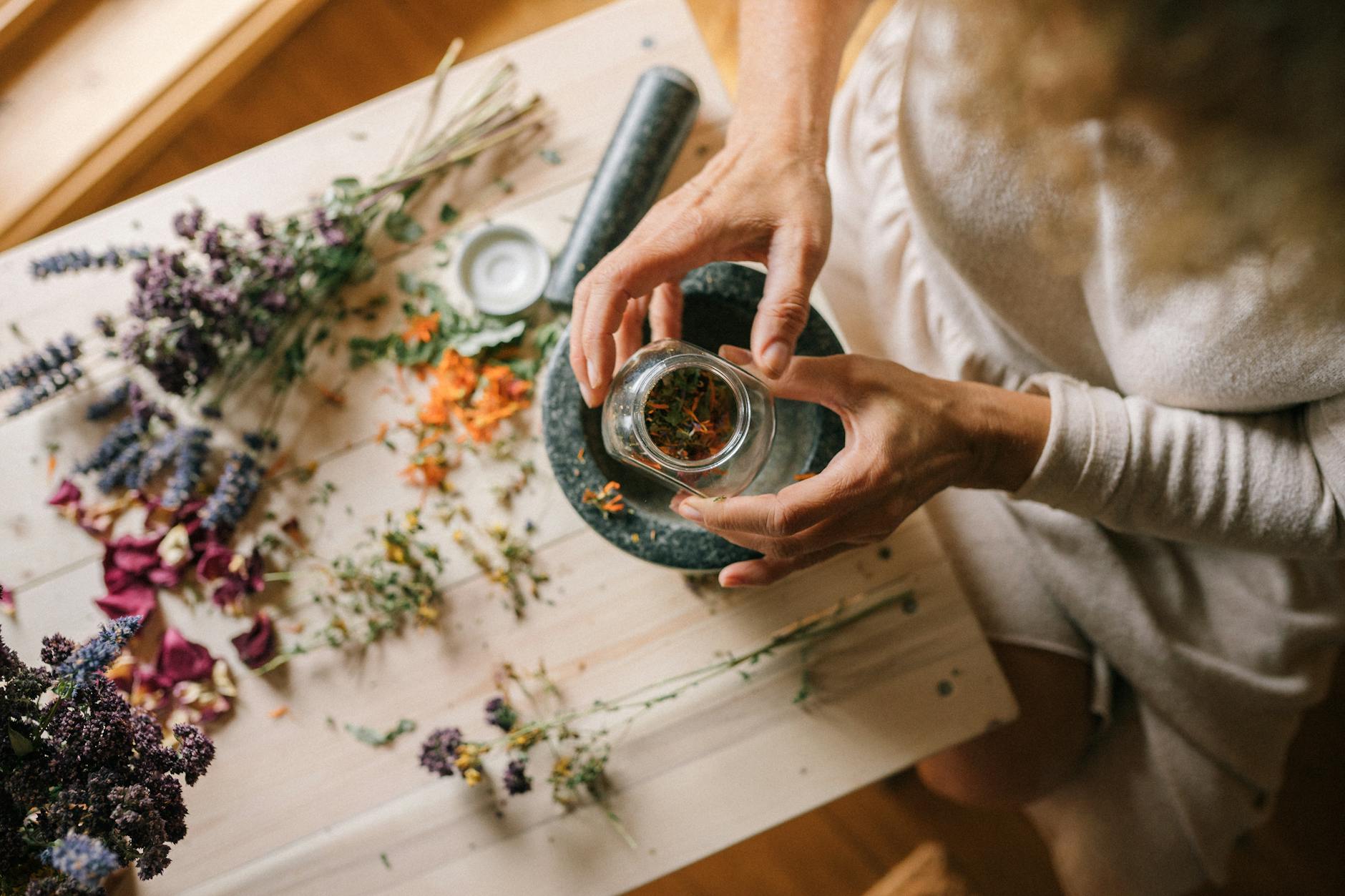
Why Your Thai Curry Paste Craves a Mortar and Pestle
Hey there, fellow food adventurers! I'm that Bangkok local who's been elbow-deep in spicy pastes for over two decades, and let me tell you, if you're aiming for that authentic Thai curry explosion, forget your fancy blenders. We're talking about the humble mortar and pestle—known as 'krok' and 'sahk' in Thai—which is basically the unsung hero of our kitchens. Picture this: pounding fresh ingredients releases oils and flavors that a machine just can't mimic, turning simple herbs into a curry base that'll make your taste buds dance like they're at a Songkran festival.
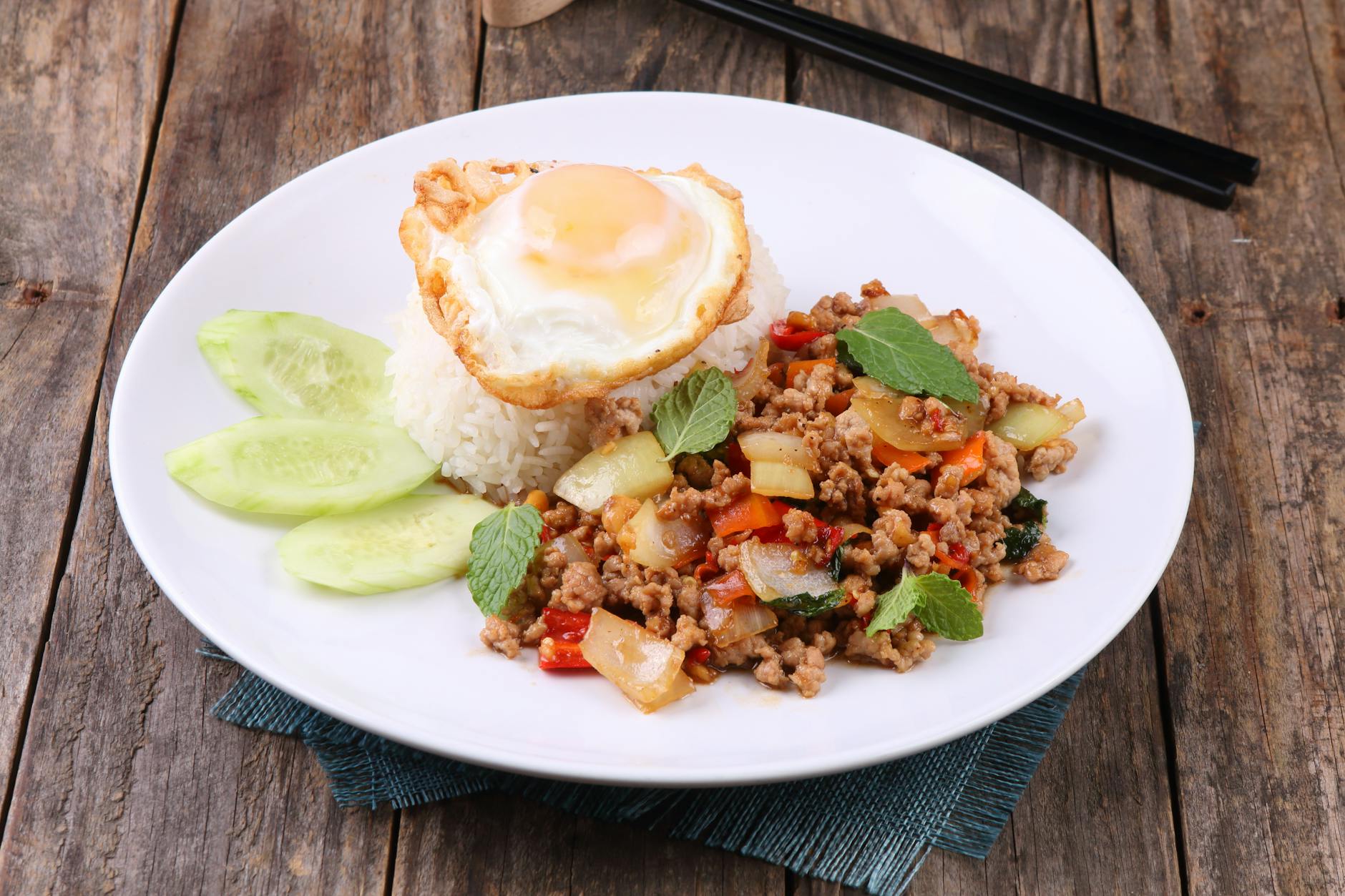
In Bangkok, where street food is king, I've seen tourists botch their pad kra pao because they relied on pre-made pastes. But stick with me, and I'll spill the beans on why this tool is a game-changer for dishes like the fiery green curry from Soi 38 night market or the rich red curry at Jinda's stall in Chatuchak. Prices for a decent granite set start at around 500 THB, and trust me, it's an investment that'll elevate your home cooking from blah to Bangkok-level brilliant.
The Magic Behind the Grind: Flavor Science 101
Okay, let's get nerdy for a sec—but in a fun way. Unlike a food processor that just chops everything into a mush, pounding with a mortar and pestle bruises the ingredients just right. Take lemongrass, galangal, and chilies for a classic green curry paste; when you smash them manually, their essential oils burst out, creating that fresh, zingy punch that defines Thai cuisine. I've tried making Tom Yum paste with a blender once—disaster! It tasted flat, like it was missing the soul of Bangkok's floating markets.
From my years roaming neighborhoods like Silom and Sukhumvit, I've learned that real Thai cooks swear by this method for pastes used in dishes such as Massaman curry or Panang curry. Insider tip: Always go for a stone mortar—porcelain ones crack too easily. Head to Chatuchak Weekend Market, where you can pick up a sturdy granite one for 600-800 THB from the vendors near Section 6. They're open from 6 AM, and bargaining is a must; I once scored mine for 550 THB by chatting about my favorite curry spots.
How to Choose and Use Your Mortar and Pestle Like a Pro
First things first, not all mortars are created equal. As a Bangkok veteran, I recommend the traditional granite or clay versions over wood, which can absorb flavors and get funky. In Thonglor, there's a hidden gem called Bangkok Cookware on Sukhumvit Soi 55, selling high-quality sets for 700-1200 THB. They even offer quick demos on pounding technique—super handy if you're a newbie.
Now, let's talk technique. Start with the basics: for a simple red curry paste, you'll need dried chilies, shallots, garlic, and shrimp paste. Pound them in that order to avoid a watery mess. I remember my first attempt at home; I overdid the garlic and ended up with a paste that could wake the neighbors! Pro tip: Use a light hand at first, then build up pressure. This isn't just about mashing; it's about coaxing out flavors. Once you're hooked, try making a batch for Kaeng Liang, a lesser-known veggie curry that's a staple in Bangkok's vegetarian spots like Arawy Vegetarian House in Siam, where a bowl costs just 80 THB.
- Buy fresh ingredients from Or Tor Kor Market in Chatuchak—it's where pros shop, with galangal at 50 THB per kilo and lemongrass bundles for 20 THB.
- Clean your mortar with rice to remove odors; it's an old Thai trick I've used for years.
- Practice with easier pastes like for Som Tum salad before tackling curries—perfect for a quick 100 THB snack at any street cart in Yaowarat.
- If you're in Bangkok, join a hands-on class at Baipai Thai Cooking School in Sathorn for 1500 THB; they'll let you pound your own paste and take home the results.
- Avoid metal mortars; they can react with acidic ingredients like tamarind, ruining your Nam Prik Ong dip.
Real-Life Stories: My Mortar Mishaps and Wins
Over 25 years, I've had my share of mortar moments. Early on, I tried using a cheap plastic one from a Sukhumvit tourist shop—big mistake! It shattered on my first go at a Yellow Curry paste, which is milder and great for beginners. Now, I stick to the good stuff. Last year, I whipped up a batch using ingredients from Talad Ploenchit Market, and it turned my home-cooked green curry into something rivaling the 150 THB plates at nahm restaurant in the Metropolitan Hotel.
One insider tip: In neighborhoods like Phaholyothin, check out the local wet markets for the freshest herbs. I once scored a deal on kaffir lime leaves for 30 THB a bunch, which elevated my curry paste to pro level. And if you're short on time, swing by Krua Apsara in Ratchaprarop for ready-to-pound ingredient sets at 200 THB—perfect for experimenting without the full commitment.
Bringing It All Together: Your Curry Paste Revolution
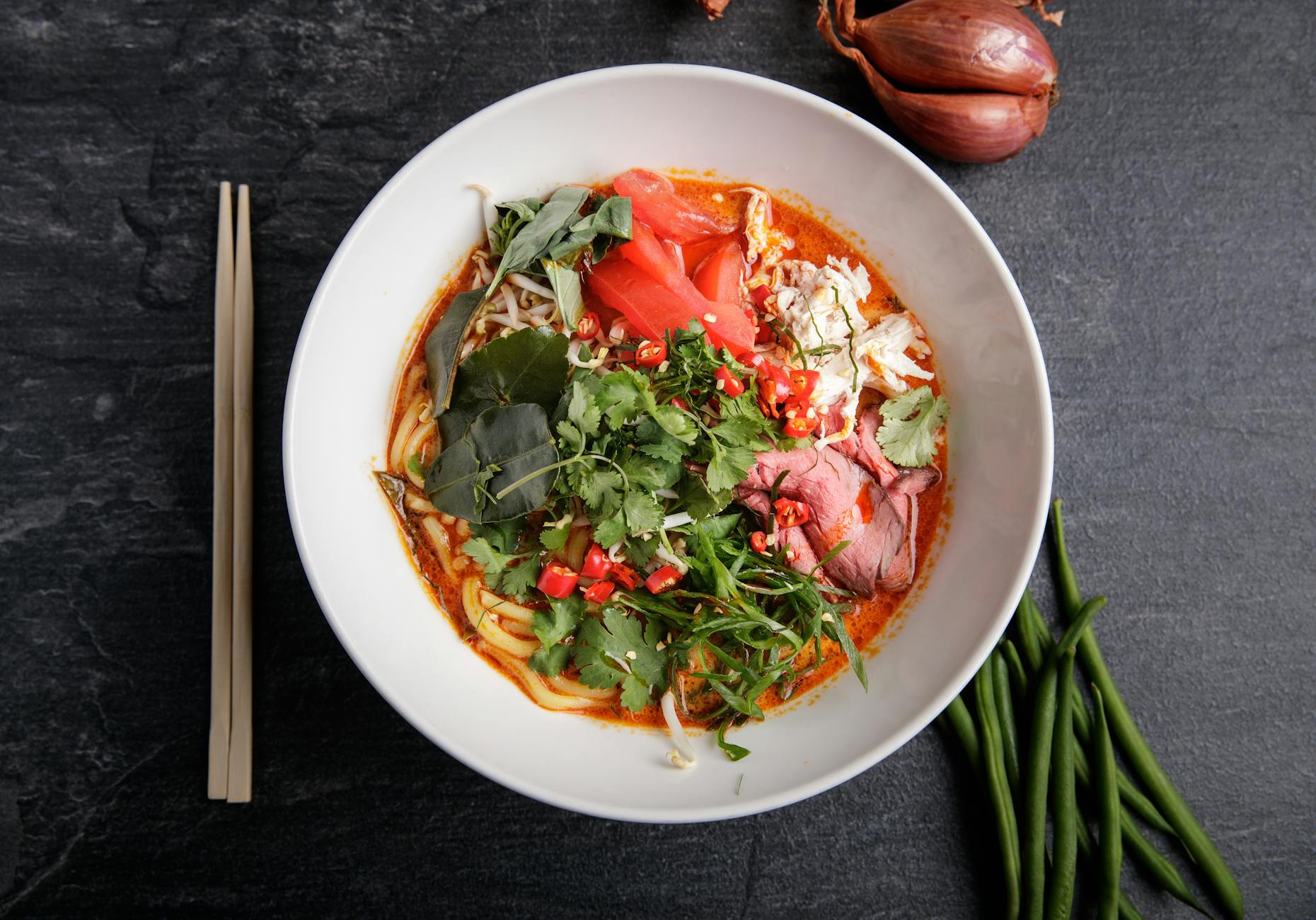
So, why does your curry paste need a mortar and pestle? It's simple—it's the heart of Thai cooking, turning everyday ingredients into flavor bombs that make dishes like Boat Noodle Soup or Jungle Curry unforgettable. In Bangkok, where food is life, I've seen how this tool bridges the gap between street eats and fine dining. Prices vary, but with my tips, you can start for under 1000 THB and be pounding like a local in no time.
Final thoughts: Don't just take my word for it—grab one from Chatuchak, experiment with a Massaman curry recipe, and taste the difference. Your next Thai feast will thank you, and who knows, you might even impress your friends with pastes that rival those from Michelin-starred Gaggan in Thonglor. Happy pounding, Bangkok style!
Comments
No comments yet. Be the first!