Thai Mortar and Pestle 101: Why Your Curry Paste Needs One
Hey there, fellow food adventurers! I'm Noi, your go-to Bangkok food writer who's been elbow-deep in Thai spices for over two decades. If you're diving into Thai cooking, let me tell you straight up: forget your fancy food processors. A proper Thai mortar and pestle—known as a 'krok' and 'sapp'—is the real deal for making curry paste that packs a punch. I've seen tourists botch their green curries with machines, but once you try the hand-pounded way, there's no going back. Stick with me, and I'll spill the beans on why this ancient tool is still king in Bangkok's bustling kitchens.
What Exactly is a Thai Mortar and Pestle?
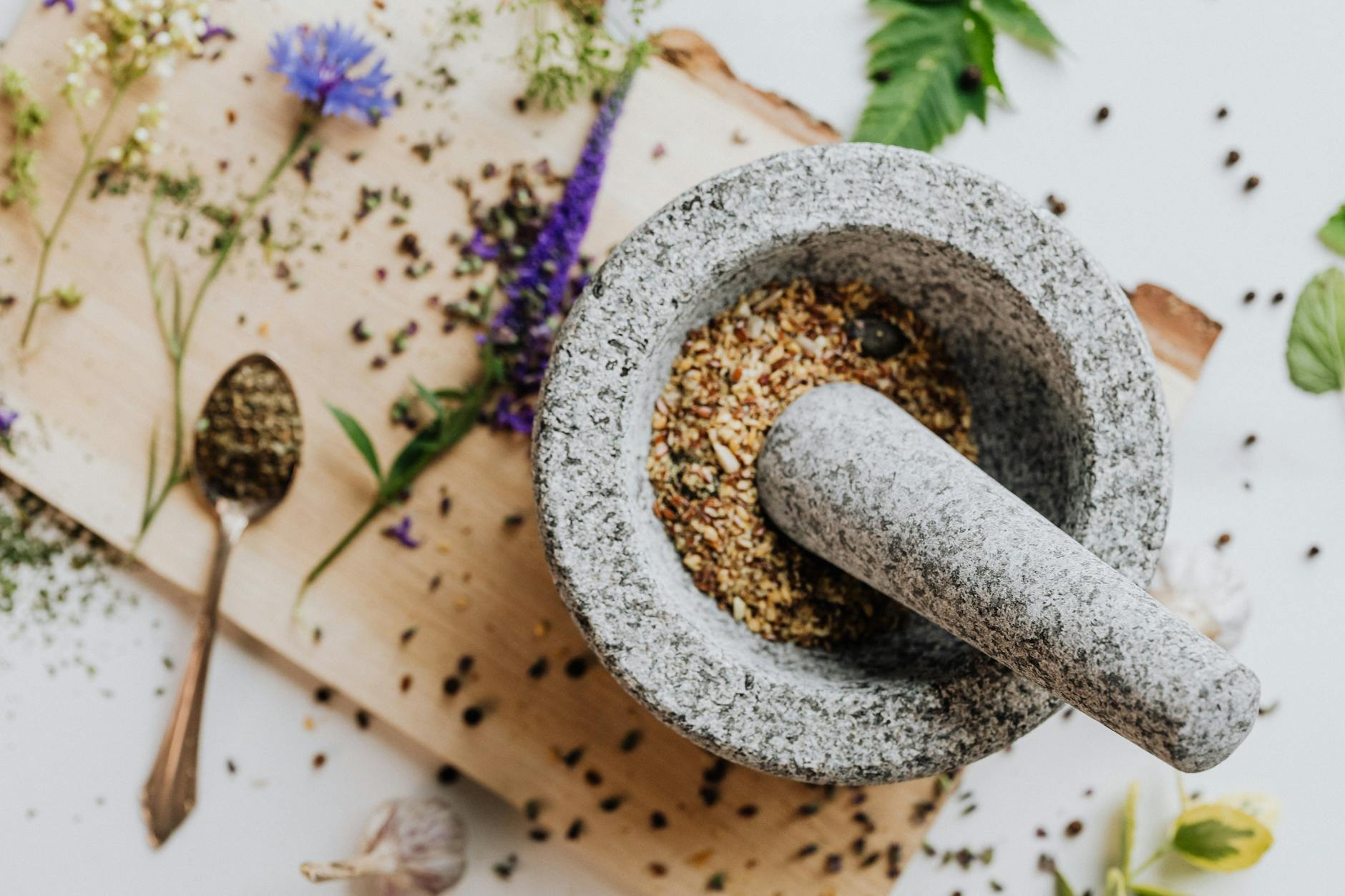
Let's start at the basics. In Bangkok, the mortar (krok) is usually a heavy granite or stone bowl, and the pestle (sapp) is a sturdy wooden club. You won't find these in your average Western kitchen store; head to Chatuchak Weekend Market in Chatuchak district for the good stuff. I picked up my favorite set there for about 300 THB—it's lasted me 15 years! Unlike metal or ceramic versions, the granite one releases oils from herbs and spices without bruising them, giving you that fresh, vibrant flavor Thai curries are famous for.
Picture this: vendors at Or Tor Kor Market in Chatuchak pounding away at lemongrass and galangal for their tom yum paste. It's not just a tool; it's a tradition. I've watched aunties there turn simple ingredients into magic, and let me tell you, their pastes taste worlds better than anything from a jar. Prices for ready-made pastes at the market start at 50 THB for a small pack, but making your own? That's where the mortar shines.
Why Your Curry Paste Absolutely Needs a Mortar and Pestle
Okay, here's the juicy part. In my 25 years of eating and cooking in Bangkok, I've learned that a mortar and pestle isn't just nostalgic—it's scientifically superior for curry pastes. When you pound ingredients like chillies, garlic, and coriander roots by hand, you're releasing essential oils and breaking down cell walls in a way blenders can't. That means deeper flavors and a smoother texture. Take green curry paste, for example; if you blitz it in a machine, you end up with a bitter, uneven mess. But with a mortar, it's like poetry—every bash and grind infuses the paste with authentic Thai essence.
I remember my first attempt at red curry at a cooking class in Silom's Blue Elephant Cooking School (about 2,000 THB for a session). The instructor, a fiery chef from Isaan, insisted on using her massive mortar. She said, 'Noi, if you don't feel the heat in your arms, you won't feel it in your curry!' She was right—the paste I made there elevated my home-cooked red curry to street-stall levels. Now, at night markets like Rot Fai in Ratchada, I always seek out stalls using fresh, hand-pounded pastes; their curries hit different, with layers of flavor that machine-made ones lack.
The Science Behind the Smash
Don't just take my word for it. Pounding creates a emulsion that blends flavors seamlessly. For instance, in a massaman curry paste, the mortar helps meld cardamom, cumin, and peanuts into a rich, nutty base. I buy my spices from Talad Plu Market in Thonburi for around 100 THB a bag, and let me tell you, pounding them fresh makes all the difference. Blenders generate heat that can dull spicy notes, but with a mortar, you're in control. Insider tip: Always start with the hardest ingredients like galangal and work your way to softer ones like shallots for the best results.
Where to Find and Buy Your Own in Bangkok
If you're visiting Bangkok, don't leave without snagging a mortar and pestle. My top spot is Chatuchak Market—head to the household section near the MRT exit, where vendors sell high-quality granite sets for 200-500 THB. Avoid the cheap ceramic ones; they crack easily. For a more authentic experience, check out Yaowarat in Chinatown. I once bought a beautiful wooden pestle there for 150 THB from an old shop that's been around since the 1960s. They also sell pre-made pastes, like panang curry mix for 60 THB, but trust me, making your own is way more fun.
Another gem is the MBK Center in Pathumwan. It's not as traditional, but you can find affordable options starting at 250 THB. Pro tip: Go early on weekends to beat the crowds and haggle for a better price. I've introduced friends to these spots, and they've all become mortar addicts, whipping up pad kra pao at home like pros.
How to Use a Mortar and Pestle: A Step-by-Step Guide
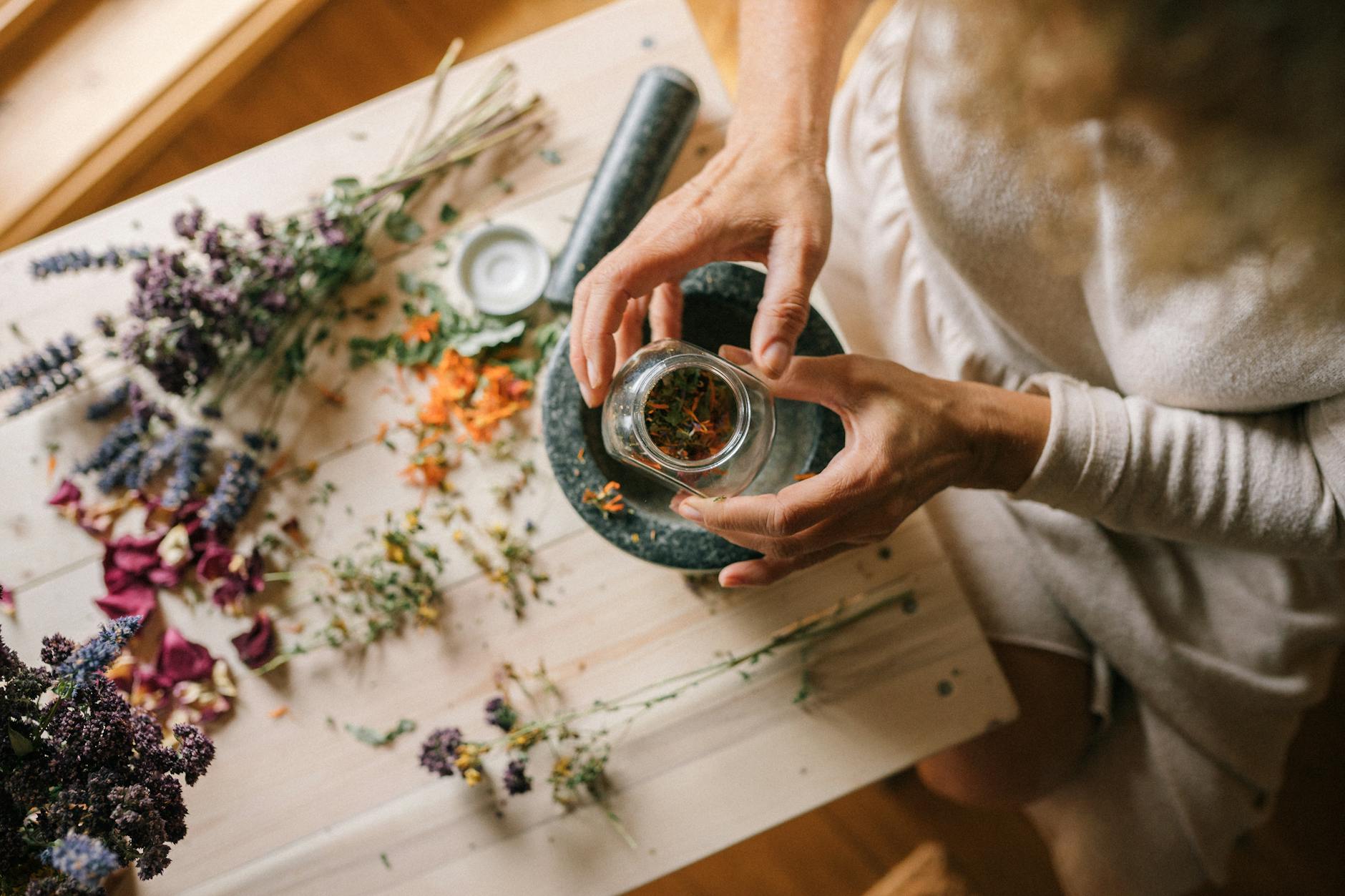
Ready to get pounding? Let's break it down. First, gather your ingredients—think fresh chillies, garlic, and shrimp paste for a basic Tom Yum paste. Start by adding the toughest items to your mortar and give them a good bash. I like to add a pinch of salt to help grind things down. Work in a circular motion with the pestle, applying steady pressure. It might take 10-15 minutes for a small batch, but that's where the magic happens.
For a simple green curry paste, you'll need about 10 green chillies, 5 shallots, and a thumb-sized piece of galangal. Ingredients from Bangrak Market cost me around 50 THB total. Once it's a fine paste, fry it up with coconut milk for a curry that rivals the one at Soi 38 Night Market in Sukhumvit. My opinion? It's therapeutic—after a long day of eating street food, nothing beats the rhythm of pounding to unwind.
Common Mistakes to Avoid
- Don't overfill the mortar; it makes pounding uneven.
- Always clean it right after use to avoid staining—warm water and a brush do the trick.
- Avoid metal pestles; wood is gentler on the ingredients.
- Start slow; rushing leads to a lumpy paste, like the ones I've seen at amateur cooking stalls.
Tips and Tricks from a Bangkok Veteran
After 25 years, I've got insider secrets galore. For starters, invest in a larger mortar if you're cooking for a family—mine holds enough for two meals and cost me 400 THB. Pair it with fresh herbs from Jim Thompson Farm in the outskirts; their lemongrass is top-notch at 20 THB a bunch. If you're short on time, hit up street stalls in Sukhumvit for quick lessons—vendors often let you watch and even try pounding for free.
Prices for a full Thai meal using your homemade paste? You can whip up a feast for under 200 THB. And hey, if you're in Bangkok, join a hands-on class at Baipai Thai Cooking School in Sathorn for 1,500 THB—they provide the mortar and teach you the ropes. My hot take: Once you master this, your friends will beg for your yellow curry recipe, just like mine do.
Simple Recipes to Try at Home
To wrap it up, here's a quick recipe for my go-to yellow curry paste. Ingredients: 5 dried chillies, 3 shallots, 1 turmeric root, and a knob of ginger—all for about 40 THB from a local wet market. Pound them in your mortar, then simmer with chicken and potatoes for a dish that beats the 150 THB plates at food courts. Trust me, after one bite, you'll be hooked on this Thai essential.
In Bangkok, food is life, and the mortar and pestle is its heartbeat. So grab one, get pounding, and let's keep the flavors alive!
Comments
No comments yet. Be the first!